+49 89 452249-540
  E-Mail



Atreus in the media
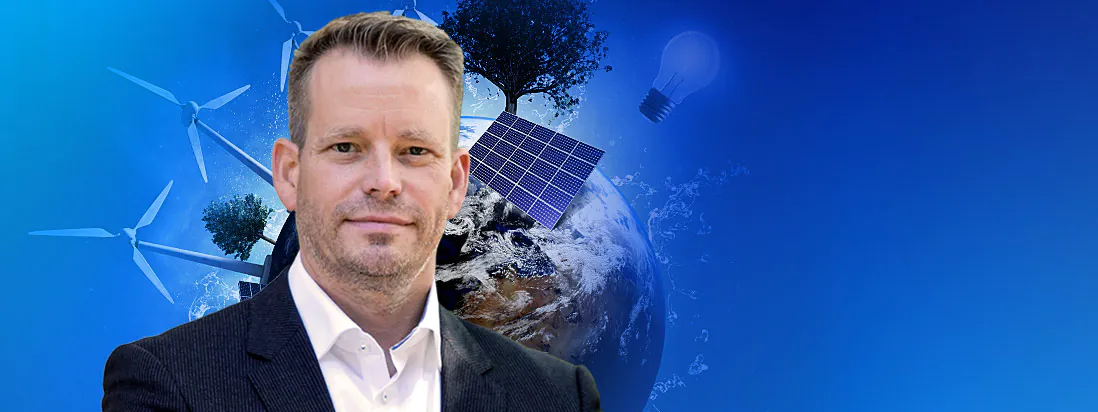
Jessica Breuer, Director of the Machinery and Plant Engineering Solution Group at Atreus in Munich, sheds light on the importance of digitalization and how it can change the industry for good.
The construction industry is on the verge of a digital revolution that offers countless opportunities to create greener, more efficient buildings in less time:
In the construction industry, there is still a lack of awareness of the positive effects of digitalization. Smaller construction companies and suppliers in particular often see it as more of a cost than a benefit. Yet the benefits of digitization are significant: it enables increased competitiveness, more efficient productivity gains, smoother processes, time and cost savings. In addition, funding is available from the federal and state governments. Breuer emphasizes that companies need to understand how digitization can improve their business processes.
Traditional working methods based on paper forms and manual processes still dominate the industry. Successfully managing information between construction sites and offices saves time and enables targeted work instructions. Combining knowledge and information empowers all stakeholders to increase the sustainability and efficiency of their projects and ensure close coordination on the jobsite.
Digital transformation offers the opportunity to deliver greener buildings faster. A building’s sustainability can be verified through software, national and international regulations, and certification systems. Factors such as site quality, water consumption, energy and material use, CO2 emissions and air quality are assessed. This helps to promote sustainable building projects.
Focusing on market strength and customer orientation is crucial for success. Companies that ignore digitization run the risk of being overtaken by more innovative competitors. Customers today are more demanding and better informed. Digital solutions meet these expectations and enable transparency, quality and agile responses.
Implementing digital solutions requires expertise. However, the industry offers training, workshops, and support for professionals and freelancers. Faced with a labor shortage, companies need to provide holistic solutions to attract the next generation of professionals.
The future of the construction industry lies in sustainable, low-emission buildings with renewable energy sources. Digitalization plays a key role in this. Companies should invest in innovation and promote collaboration to make the industry sustainable and remain internationally competitive.
The digitization of the construction industry requires a collaborative approach and a focus on sustainability. Collaboration within the industry and investment in innovation will bring about transformative change and make the industry viable, efficient, innovative and sustainable. A shared commitment will not only improve the construction industry, but also serve as a model for other sectors.
Source: bauMAGAZIN, guest article by Jessica Breuer, August 2023
Your contact
Will be happy to answer questions and provide answers.
This article may also interest you

Atreus in the Media
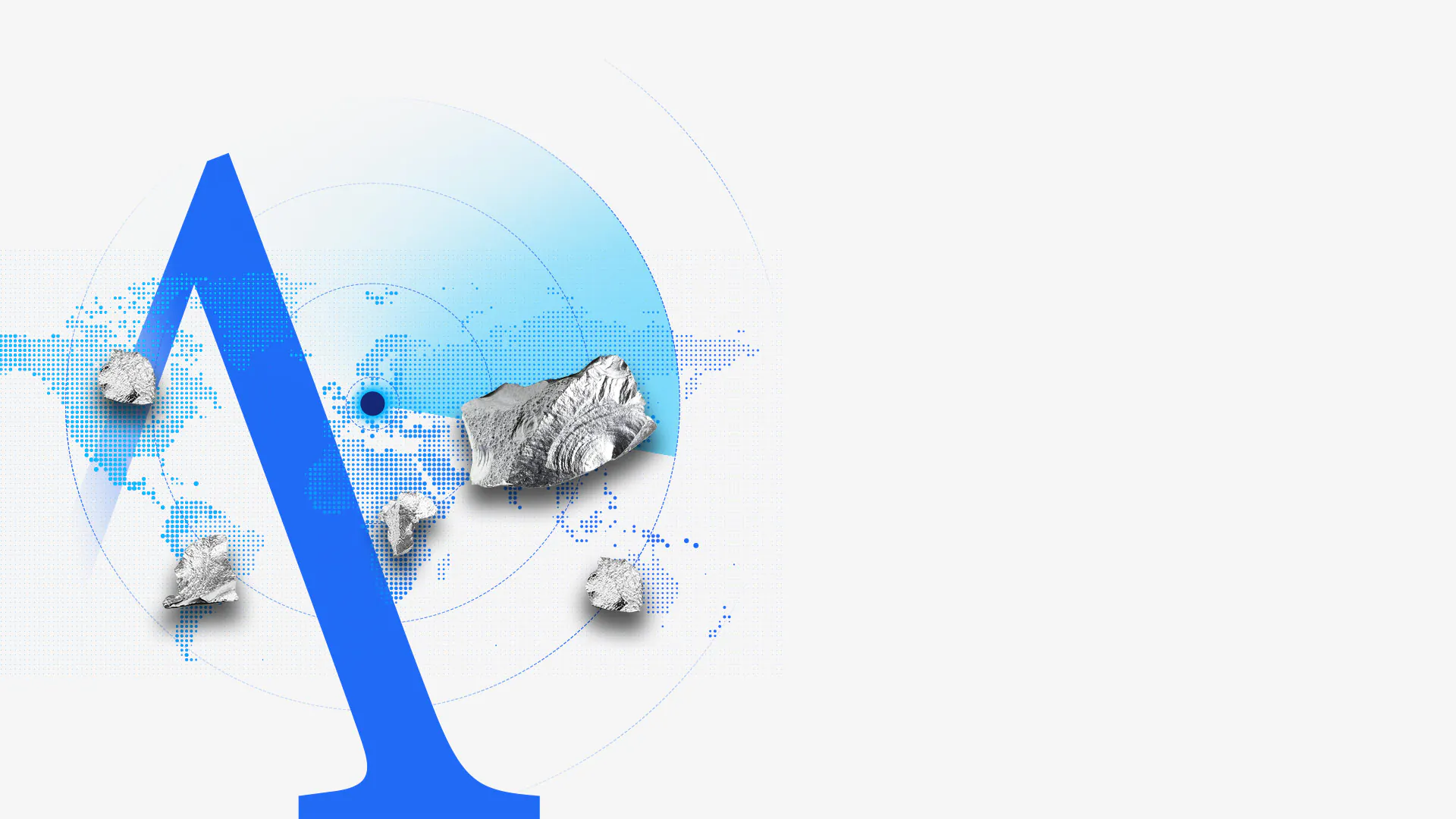
The interdependence of many companies and industries with Asian markets, especially China, raises significant questions. Can this dependency be broken? And is there even a need for it? Atreus Directors Dr Christian Frank and Patrick Julius give their views in Springer Professional
 © RHJ, Björn Wylezich – stock.adobe.com
Atreus in the media
The interdependence of many companies and industries with Asian markets, especially China, raises significant questions. Can this dependency be broken? And is there even a need for it?
Mechanical engineering sources a significant part of its raw materials from China, especially for electric motors and wind generators. Diversification of suppliers and raw material sources is necessary. Recycling and domestic raw material extraction are part of the solution, but not sufficient on their own.
Patrick Julius adds: “The figures for mechanical and plant engineering also speak a clear language in this context: for example, in some cases far more than two thirds of the raw materials such as rare earths or silicon for the production of electric motors and wind power generators come from China. China is also the dominant supplier of production capacities for solar technology.”
To reduce dependence on China, German companies need to tap global markets and find new sources of raw materials. Diversifying supply and recovering raw materials are key strategies. Africa and other regions are seen as potential alternatives, but political uncertainties and investment costs must be considered.
Finding new partners and suppliers is a lengthy process. A complete withdrawal from China is not immediately feasible. Geopolitical developments should be factored into risk management. Companies must quickly minimise risks and expand market shares in other markets.
A permanent decoupling from China is not advisable, as there will only be losers. Nevertheless, companies should not act naively. Many companies are evaluating and rebalancing their activities. While China remains a major trading partner, broader exposure to other countries and markets is essential.
The mechanical engineering sector’s dependence on China is a pressing issue. Complete decoupling cannot be implemented in the short term, but diversification of supply chains and raw material sources as well as increased risk consideration are crucial. The search for new markets and partners is a balancing act that requires careful planning to ensure long-term competitiveness.
Source: Springer Professional, guest article by Dr Christian Frank and Patrick Julius, published on 15 August 2023.
Your contact persons
Will be happy to answer your questions.
This article might also interest you

Atreus in the Media
Atreus Director and Partner Martin Schulz on the subject of the energy transition and energy procurement in conversation with DVGW energie | wasser-praxis. The energy turnaround and risk management in security of supply are top priorities for many board members and managing directors.
 © Drazen – stock.adobe.com
Atreus in the media
In an interview with Lebensmittel Zeitung, Atreus Partner & Director Dirk Boventer warns that prices in the food retail sector will be higher in the long term, despite falling inflation rates.
The interview highlights the changing landscape in food retailing. The relationship between manufacturers and retailers, as well as customer reaction to price increases, will significantly shape the industry.
There is a complex power struggle between manufacturers and retailers as both sides fear cost increases. Sales declines will be offset by higher prices.
Increased food prices could make customers more sensitive to prices. Boventer questions at what point customers would abandon products. Promotions play an important role in maintaining a positive price image despite general price increases.
Source: Lebensmittel Zeitung, August 11, 2023 – Hans Jürgen Schulz
Your contact
Will be happy to answer questions and provide answers.
This article may also interest you
Atreus in the Media
In Frankfurter Allgemeine Zeitung on July 5, Mike Schwanke, Atreus Director and digital business model expert, comments on the courier industry’s expansion course.
 ©THINK b – stock.adobe.com
Atreus in the media
In Handelsblatt, Axel Höpner explains the challenges and future prospects of Adidas based on the sporting goods group’s quarterly results. In an interview with Handelsblatt, Atreus Director Michael Lichtinger assesses how promising Adidas CEO Gulden’s first steps are.
Sporting goods group Adidas is experiencing a period of change under new CEO Björn Gulden, which will unfold more strongly in the coming years. Despite better-than-expected second-quarter numbers, the true effect of Gulden’s strategy changes remains to be seen. Gulden stresses that short-term results are not the main goal for 2023. Rather, he wants to lay the groundwork for a successful company in the years ahead.
A key problem that Gulden addressed was dealing with the remaining stocks of Yeezy products from the halted cooperation with US scandal rapper Kanye West. The sale of these products was successful, and thus the group’s situation was stabilized. Expert Michael Lichtinger from management consultancy Atreus emphasizes that these actions helped to support sales and send a positive signal.
Gulden is focusing on vintage and originals models from Adidas’ history to make the brand more attractive. Adidas products are to be given a renewed focus, especially in the area of performance products such as high-quality running shoes and soccer shoes. The brand strength and the so-called “brand heat” must be strengthened in order to achieve sustainably higher sales.
The reorganization of the Board of Management has been dragging on for a long time, and it is not clear whether it has been completed yet. Lichtinger expects that the changes at the management level could take time, but they also offer the opportunity to realign Adidas’ strategic focus.
Despite mixed quarterly figures, investors are convinced that Gulden can steer the company step by step in the right direction. The challenges are seen as long-term processes, and the positive development of Adidas’ share price this year shows investors’ confidence in Gulden’s leadership.
The transformation and strategy changes at Adidas under the leadership of CEO Björn Gulden are a gradual process that will take time to fully unfold. Addressing the challenges related to the Yeezy collaboration, strengthening the brand and realigning the top leadership are important steps on the way to a successful future. Investors are showing confidence in Gulden’s long-term vision and the actions taken. The sporting goods market may be difficult at the moment, but with the right strategy and staying power, Adidas could emerge stronger.
Source: Handelsblatt, August 3, 2023 – Axel Höpner
This article may also interest you
Atreus in the Media
In Haufe Sustainability, Atreus Director Martina Becker explains the increasingly important role of sustainable corporate governance in today’s world. She makes it clear that sustainability offers advantages, especially in difficult times.
Atreus in the Media
Atreus in the media
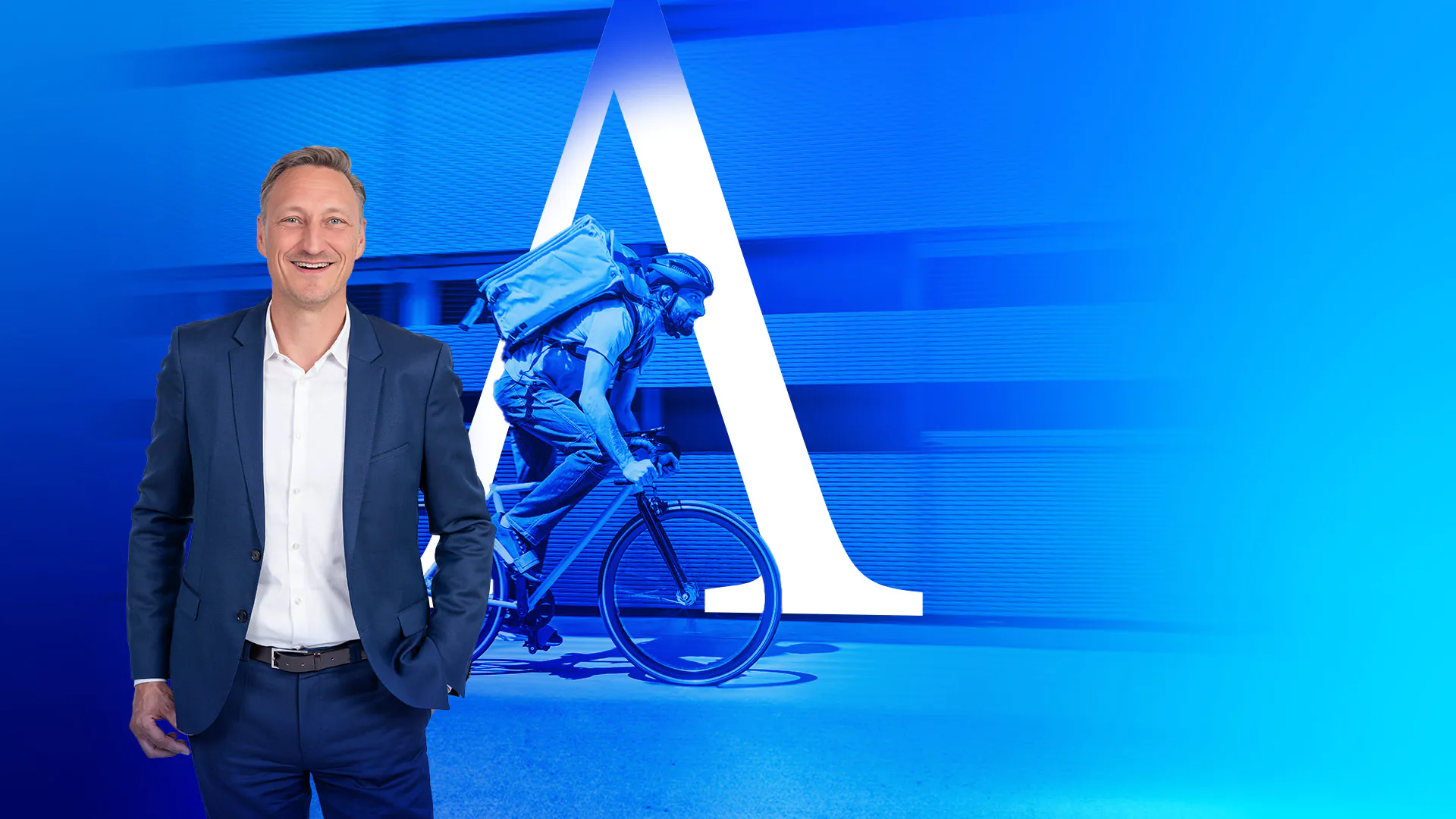
In Frankfurter Allgemeine Zeitung on July 5, Mike Schwanke, Atreus Director and digital business model expert, comments on the courier industry’s expansion course.
Delivery services Lieferando, Wolt and others are breaking new ground and no longer intend to just deliver food from restaurants. Instead, they are expanding their offerings to include a variety of products, including power strips, electric toothbrushes and even credit cards. The idea behind this is to become the “app for everything.” But can this concept succeed?
Since June 2023, Lieferando has not only offered food in Berlin, but also a collaboration with electronics retailer Media Markt. Customers can now expect around 100 products from the range to be delivered to their homes within 35 minutes. Similar initiatives exist with other delivery services. Wolt, for example, works with Deutsche Telekom to deliver products such as modems. In other countries, even credit cards, pharmaceuticals and cannabis products are delivered.
The delivery industry faces a number of challenges. On the one hand, it is necessary to clarify which products are really of interest to customers and meet a short-term need. Pharmaceuticals and flowers could be good candidates here. On the other hand, delivery services also need to utilize their couriers efficiently. New offerings should enable couriers to work countercyclically to better manage peaks in demand.
To be successful, the new usage scenarios must be thought out from the customer’s point of view, says Schwanke. Rising personnel costs, which could lead to additional prices for customers in the long term, must also be taken into account. But as long as the offers provide real added value, they can be a sensible addition to established delivery services.
„We want to become an app where customers can get everything they need in their daily lives.“
The vision of delivery services is to become the app for everything and deliver everything customers need in their daily lives. This is not just about food, but a wide range of products and services. Whether this vision will become reality remains to be seen. So far, many of these new projects are still pilot projects, and it remains to be seen whether they represent a viable business model.
Delivery services such as Lieferando and Wolt have a desire to evolve from being just food delivery companies to becoming jack-of-all-trades. This could be a promising way to utilize their couriers more efficiently and tap into new revenue streams. But the future will show whether these new business models can prove their worth. In any case, it is clear that the courier industry is changing and breaking new ground.
For full article and further information, please see the original source. This summary is based on the original article “Bald wollen sie alles liefern” by Maximilian Sachse in the Frankfurter Allgemeine Zeitung on July 5, 2023.
Your contact:
Will be happy to answer questions and provide answers.
This article may also interest you:
 ©NikahGeh – stock.adobe.com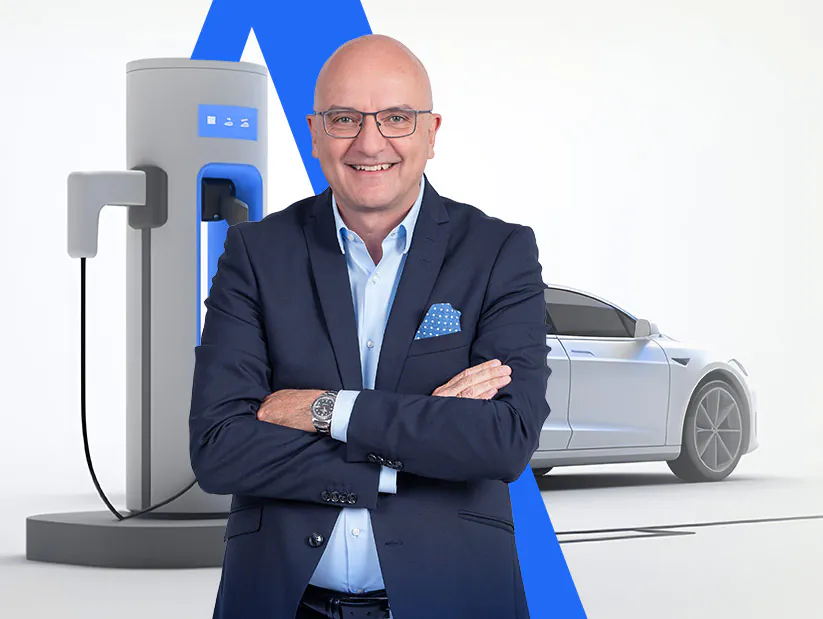
Atreus in the Media
Atreus in the Media
Germany is aiming for an e-car revolution, but so far the hoped-for turnaround has failed to materialize. In the German newspapers Münchner Merkur and Frankfurter Rundschau Atreus Director Stefan Randak explains that high prices and political planning errors are the reasons. What opportunities and prospects does he see for e-mobility.
The European Union and the Federal Republic of Germany are committed to e-mobility. The German government has set an ambitious target of 15 million e-cars by 2030. The EU has decided on the end of combustion engines and presented a law for improved charging station supply at the beginning of July. But the reality is different: E-mobility is not finding the desired acceptance among people. There are many reasons for this, including excessively high prices and wrong political decisions.
The German Federal Statistical Office reported in 2022 that Germans are still struggling to buy electric cars. Although the share of e-cars has increased, they are still a minority on German roads. Currently, just under one million e-cars are registered, representing only 4.5 percent of all passenger cars. To reach the traffic light coalition’s target, about 5,000 e-cars would have to be newly registered every day. Automotive expert Stefan Randak is skeptical about this target, calling it “wishful thinking”.
„Germans continue to find it difficult to purchase electric cars“
The main reason for the hesitant e-car acceptance is the high purchase cost. Although subsidies have made electric cars more affordable, they are still more expensive than vehicles with internal combustion engines. The German Automobile Association (ADAC) named the Dacia Spring Electric 45 Essential as the cheapest e-car with a new price of €22,750. However, most e-cars are above this price level, while combustion engines are less expensive overall.
Another problem is the inadequate infrastructure for e-mobility. The availability of charging stations varies widely across Europe. While some countries, such as France, the Netherlands and Germany, have comparatively good charging station coverage, there are still large gaps in other countries, especially in southeastern European states.
The EU plans to install a charging station for passenger cars every 60 kilometers along the main roads. However, there are no uniform quality standards and there is a challenge to expand the congested network for more powerful charging stations. In addition, there are still no sustainable solutions for electric truck charging capacities.
Despite the current challenges, there are also positive developments for e-mobility. The automotive industry is increasingly setting the course for an electric future. In the first three quarters of 2022, e-car production totaled around 375,600 vehicles. This represents an increase of 66.2 percent compared with the same period last year. Although the German industry still mainly produces cars with classic combustion engines, the e-market is booming, especially in China. Volkswagen, once the market leader, now faces tough domestic competition and ranks second in e-cars in Germany, behind Tesla.
The e-car offensive in Germany and the EU faces major challenges, but also promising opportunities. High purchase costs and expensive electricity challenge the acceptance of electric cars. In addition, the expansion of the charging infrastructure is still insufficient. Nevertheless, there are positive developments in the automotive industry and progress in the planning of charging stations. Comprehensive cooperation between policymakers, industry and consumers will be necessary to sustainably advance e-mobility and achieve the ambitious goal of 15 million e-cars by 2030.
Your contact
Will be happy to answer questions and provide answers.
This article may also interest you

Atreus in the Media
Jessica Breuer, Director of the Machinery and Plant Engineering Solution Group at Atreus in Munich, sheds light on the importance of digitalization and how it can change the industry for good.
 © Destina – stock.adobe.com
Atreus in the media
In his guest article dated May 3, 2023 at SpringerProfessional, Atreus partner and director Stefan Randak questions the strategy of German automakers, as they have fallen behind Chinese OEMs.DEUTSCHE
The boards of directors of the German vehicle manufacturers have specified their strategy: concentration on the premium segment, renunciation of lower vehicle classes, combustion engines with parallel electrification, in-house production and cost pressure on suppliers. But the 2022 annual reports and the 2023 Shanghai auto show raise questions.
German vehicle manufacturers sold a total of 4.4 million cars in the Chinese market in 2022, achieving a market share of 19.1%. However, they have fallen behind in the electric vehicle market, with a market share of only 5% and the absence of their models among the ten best-selling electric vehicles. In view of the Chinese electric car sales share of already 25%, the German manufacturers have signalled alarm mood at the auto show in Shanghai. VW has announced that it will accelerate its electrification strategy for the Chinese market, while Audi and Mercedes are looking to expand their range of vehicles. The German manufacturers are struggling to compete with the Chinese providers in terms of offer, price and software development. VW is investing one billion euros in a new Chinese center for development, innovation and procurement to develop fully connected electric cars.
German car manufacturers are lagging behind the competition in software and car connectivity, which leads to shortcomings in the equipment. For example, Volkswagen struggled with software issues in 2022, despite bringing in external software service providers. To cope with the lack of resources, manufacturers should refrain from developing their own infotainment systems in the face of competition from smartphone apps and systems such as Android Auto and Apple CarPlay. In contrast, Ferrari has already understood and has not installed its own navigation system in the new “Purosangue”, but only CarPlay and Android Auto.
While the car manufacturers in Germany were able to increase their sales and earnings, things are looking increasingly bleak for the supplier industry: The average margin is only 0 to 5%, and many companies are getting into difficulties due to the change in their product portfolio and the discontinuation of engine development. In addition, employment at suppliers has fallen by 6%.
The Corona pandemic has accelerated the decision of car manufacturers to use scarce material only for high-priced models and to phase out lower vehicle segments. Daimler, Audi and BMW are removing small and micro cars from their ranges. VW board member Oliver Blume wants to build the most sustainable luxury car brand, which is not only met with acceptance. Experts see calculable cost problems with e-mobility and software. With the elimination of the lower vehicle segment, a traditional market will be abandoned and the basis will be laid for others, especially Chinese suppliers, who will be able to offer low-cost and high-performance electric cars.
Chinese automakers intend to enter the German market and fill the gaps in the market created by German manufacturers. They have sales experience and battery expertise. Major European automotive sales companies and vehicle rental companies enable Chinese suppliers to enter the market and offer sales and service infrastructure. For example, BYD will sell and lease through the Hedin Mobility Group and Sixt.
YOUR CONTACT
Will be happy to answer questions and provide answers.
 © Halfpoint – stock.adobe.com
Atreus in the media
In Haufe Sustainability, Atreus Director Martina Becker elucidates the increasingly important role of sustainable corporate governance in today’s world. Thereby, she outlines the importance of economic, ecological and social aspects for companies and makes it clear that sustainability offers advantages, especially in difficult times.
The ongoing high inflation and legal requirements such as the Supply Chain Due Diligence Act pose major challenges for companies to make their operations and processes more sustainable. Companies that do not rely on ESG factors and invest in sustainable innovation and digitization risk being left behind.
The German Supply Chain Due Diligence Act places high demands on companies, especially with regard to data availability, quality and accessibility. The aim of the law is to protect human rights and the environment. It is clear that sustainable processes cannot be implemented overnight. In order to anchor sustainability as a strategic corporate goal, a long-term rethink is required.
For customers, it is of increasing importance where and how the products consumed are produced. It is of utmost importance to them if they have been produced under fair conditions and with appropriate remuneration. However, many companies lack transparency in their entire value chain. In order to fulfill their due diligence obligations and reduce CO2 emissions, companies must therefore increase their efforts towards digitization and automation along the entire supply and value chain. The challenges are particularly high for globally active companies. It requires changes in purchasing, adjustments to supplier contracts and audits to ensure that sustainable suppliers are selected. Digitalization plays an important role in this, as it enables end-to-end visibility and predictability. Real-time data management is crucial for a transparent supply chain and the reduction of CO2 emissions.
In order to determine the CO2 balance of a company, the so-called Corporate Carbon Footprint (CCF) is calculated. The emission sources according to Scope 1, 2 and 3 are recorded.
Companies can achieve climate-neutral Scope 1 and 2 production by investing in new plants and switching to renewable energy. However, Scope 3, indirect CO2 emissions in the value chain, poses the biggest challenge. The sustainable transformation requires not only the change of the company’s own production processes, but also of the packaging and contents. Sustainably oriented companies are aiming for complete Scope 3 climate neutrality by 2030, which requires a comprehensive transformation of the supply chain. Effective interaction between production processes, packaging and product design is crucial. One solution can be the circular economy, in which companies recycle their products and reduce CO2 consumption during transport.
Sustainably oriented manufacturers use the principle of the 4Rs (Reuse, Reduce, Recycle, Replace) for the development and optimization of new products. However, in the first step, according to the cradle-to-cradle principle, the question of eco-effectiveness is always asked in order to decide what is right.
In order to ensure sustainable product development, the circular economy must already be taken into account in strategic planning and not only at the end as an afterthought. The implementation of the circular economy should be integrated into the entire business process to ensure consumer-centric and sustainable product development. Examples of climate-neutral products are those whose plastic packaging and formulation are made from recycled materials or biodegradable substances. However, due to a lack of recycling systems, a lot of plastic packaging cannot be optimally recycled everywhere and must therefore be incinerated.
Another important aspect is that consumers are often unwilling to spend more money on sustainable products due to the tense market situation. Investments in sustainability are often necessary, for example for the switch to renewable energies and the use of climate-neutral logistics. Sustainable raw materials are often more expensive than conventional ones, which affects the final price. Despite this, recycled plastics account for only one-tenth of the greenhouse gas emissions of virgin plastic, underscoring the importance of sustainability. Manufacturers of sustainable brands are therefore concerned about the growth of low-cost private labels, which often do not meet sustainability standards.
Successful companies remain true to their sustainability agenda despite the tense market situation. However, the current cost inflation is a hurdle, as the costs have to be forwarded to retailers and consumers. A certain portion of investments must always be focused on sustainability and thus it should be integrated into business processes and corporate culture in order to remain credible. Only companies that are geared towards a sustainable future will end up having an easier time attracting new employees and talent.
Your contact
Will be happy to answer questions and provide answers.
 © M.studio, Smileus – stock.adobe.com
Press article
Atreus Director and Partner Martin Schulz in conversation with DVGW energie | wasser-praxis, October 2022
The current study “Mood Barometer in the Energy Industry” by Atreus reaches the conclusion that risk management with regard to security of supply and investment in an accelerated energy transition is a top priority in the energy sector and also in many other companies. Atreus Director and Partner Martin Schulz provides information on the background.
Hydrogen contributes significantly to accelerating the transformation process. We are aware that the process of the heat transition is indispensable for achieving the climate targets and that hydrogen will play an important role in this. It is necessary to replace gas with hydrogen at a suitable location in the long term, because electricity cannot completely substitute gas in the heating sector. This involves, for example, the conversion of combined heat and power plants that are to be operated exclusively with hydrogen. However, we absolutely need a mix of measures. The either/or discussion is rather harmful.
We urgently need more renewable energy capacity and increased local production. There is still a lot of room for improvement in the field of photovoltaics in Germany. It is also necessary to optimize the interaction of renewable energies. This means that even if the sun is not shining, the wind can still blow. This is where biomass and storage technologies come into play to ensure a steady flow of energy. In this context, there are already companies that are developing decentralised complete systems for the supply of electricity and heat as well as green water storage systems.
The author
Will be happy to answer questions and provide answers.